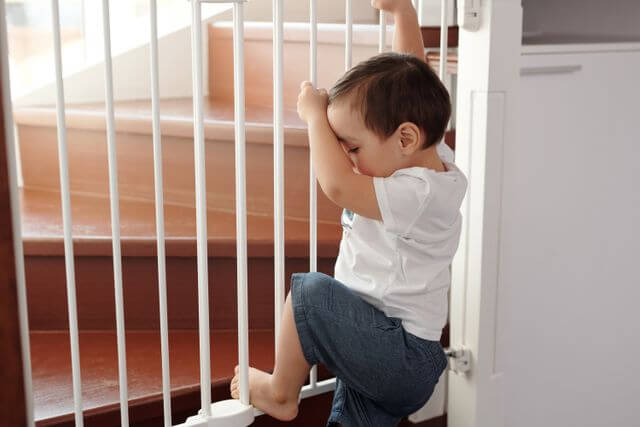
Babyproofing Beyond the Basics: Hidden Risks Every New Parent Should Know
New parents often start babyproofing with outlet covers and cabinet latches. That’s a good beginning — but it’s not the full picture. True babyproofing means seeing your home through the eyes of a curious, fast-moving, and surprisingly determined little human.
Once babies begin rolling, scooting, crawling, and eventually climbing, the risks multiply. Electrical systems, water temperature, heavy furniture, and everyday household items all become part of the safety equation.
At-a-Glance: What Most Parents Miss
- Upgrade to tamper-resistant outlets, not just plastic plugs.
- Secure cords, power strips, and loose wiring behind furniture.
- Install toilet locks and adjust your water heater temperature.
- Anchor heavy furniture and TVs to the wall.
- Remove or replace corded blinds.
- Keep button batteries locked away and out of reach.
- Reevaluate your home every few months as your baby develops new skills.
Electrical Safety: Smarter Upgrades That Matter
Electrical safety is one of the most underappreciated parts of babyproofing — and it goes far beyond the little plastic outlet caps many parents buy in bulk.
Tamper-resistant outlets are a meaningful upgrade. These outlets contain internal shutters that prevent foreign objects from being inserted unless equal pressure is applied to both prongs at once. Unlike removable covers, they cannot be pulled out by small fingers.
Loose cords are another quiet hazard. Power strips in nurseries, chargers near rocking chairs, lamps tucked behind dressers — all of these deserve a second look. Use cord covers, secure excess length with cable management boxes, and fasten loose wiring to baseboards so it’s not dangling at baby height.
If you’re upgrading or replacing components, browsing a reputable retailer forelectrical supplies can help you find tamper-resistant outlets, cord management tools, and wall plates designed for safer homes. These upgrades are often affordable — and they create a safer baseline throughout the entire house.
Water Safety: The Risks That Don’t Look Dangerous
Water-related hazards are easy to overlook because they blend into daily routines.
Quick Water Safety Table
| Hazard | Why It’s Risky | Simple Fix |
| Toilet bowls | Drowning risk, even with small amounts of water | Install toilet locks |
| Hot water | Scalding can occur in seconds | Set heater to 120°F (49°C) |
| Bathtubs | Slipping, temperature swings | Use non-slip mats and always test water |
| Buckets & pet bowls | Standing water risk | Empty immediately after use |
Adjusting your water heater to 120°F (49°C) is one of the most effective steps you can take to reduce burn risk. Many heaters default to higher temperatures.
And remember: babies can drown in just a few inches of water. Toilet locks and consistent supervision during bath time are non-negotiable.
Hazards Hidden in Plain Sight
Some of the biggest dangers are the most ordinary objects in your home.
Heavy Furniture and TVs
Dressers, bookshelves, and flat-screen TVs must be anchored to the wall. As babies begin pulling themselves up, furniture tipping becomes a serious risk. Anti-tip brackets are inexpensive and widely available.
Blinds with Cords
Corded window blinds present strangulation hazards. Replace them with cordless versions or use cord shorteners and tension devices designed to keep cords out of reach.
Button Batteries
Small, coin-sized batteries found in remote controls, greeting cards, thermometers, and toys can cause severe internal injury if swallowed. Store spares in locked drawers and secure battery compartments with screws or tape if necessary.
How-To: Babyproofing as an Ongoing Process
Babyproofing isn’t a one-time checklist. It’s a cycle that evolves with your child.
Step 1: Get low.
Physically get on your hands and knees. Look for dangling cords, reachable objects, sharp corners, and unstable items.
Step 2: Think developmentally.
Ask: What can my baby do today? What might they do in three months?
Step 3: Secure, then simplify.
Anchor furniture. Remove unnecessary clutter. Relocate tempting objects.
Step 4: Reassess quarterly.
Mobility changes everything. Crawlers become climbers faster than you expect.
Step 5: Stay flexible.
Each developmental leap requires a quick safety scan of the home.
FAQ: Babyproofing Beyond the Basics
When should I start babyproofing?
Ideally before your baby becomes mobile — around 4–6 months. It’s easier to prepare early than react quickly later.
Do I need to babyproof every room?
Yes. Babies don’t stay confined to nurseries. Kitchens, bathrooms, living rooms, and even laundry areas need attention.
Are outlet covers enough?
They’re a temporary measure. Tamper-resistant outlets provide more reliable, long-term protection.
How often should I update my babyproofing plan?
Every few months during the first two years. Mobility and curiosity increase rapidly.
A Trusted Resource for Deeper Guidance
The American Academy of Pediatrics provides comprehensive home safety recommendations for families. Their home safety guidance is practical, research-based, and regularly updated.
When You Want More Than a Checklist
Babyproofing checklists are helpful — but they can’t answer every “What about this?” question that comes up in daily life.
First Time Parent Magazine, founded by Jill Kelsey, is a research-backed parenting education platform built specifically for new parents navigating moments like these. Memberships unlock a deep library of trusted resources covering safety, development, and everyday parenting challenges. For parents who want more personalized support, 1:1 consultations connect families with experienced coaches who can walk through safety concerns room by room — and help you plan ahead for what’s coming next.
Small Upgrades, Big Peace of Mind
True babyproofing isn’t dramatic. It’s quiet upgrades: anchored furniture, safer outlets, adjusted water temperature, and cords tucked away. These changes often go unnoticed — until they prevent something serious. Start with one room. Make one improvement. Then build from there. Safety grows step by step, just like your child.