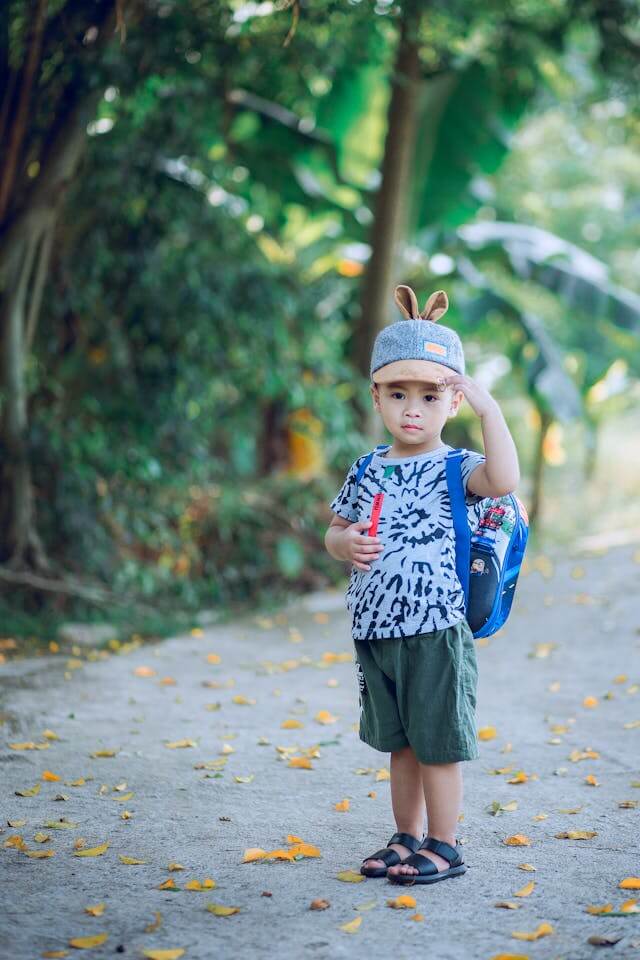
Traveling as a family can feel overwhelming, and when your child is on the autism spectrum, the unknowns can add an extra layer of stress. Airports are loud and unpredictable. Routines get disrupted. New environments can quickly become overstimulating.
But here’s the truth: with thoughtful preparation and realistic expectations, travel can also be an incredible opportunity for growth, confidence-building, and meaningful family memories. The key isn’t perfection, it’s planning with flexibility and compassion.
Whether you’re flying across the country or taking a road trip to a nearby destination, these ten expert-backed strategies will help make your next adventure smoother and more empowering for everyone involved.
These 10 Expert Strategies Will Help Your Next Family Trip Feel Calmer, Smoother, and More Joyful
1. Plan Ahead
Knowledge is power. Before you leave, research airport layouts, transportation options, and your destination thoroughly. Knowing where restrooms, security checkpoints, and quiet areas are located can ease uncertainty and help everyone feel more prepared.
Pro tip: Call ahead to hotels or attractions to ask about accommodations. Many are more than willing to help when they understand your family’s needs.
2. Look for Sensory-Friendly Programs
You might be surprised how many travel-related services now offer sensory-informed options. Many airports and airlines provide rehearsal days, pre-boarding options, and designated calm spaces. Theme parks and museums increasingly offer sensory-informed hours or accommodations.
Taking advantage of these resources can transform a potentially stressful experience into a supportive one.
3. Pack a Comfort Travel Kit
Think of this as your family’s emotional first-aid kit. Include:
- Noise-canceling headphones
- Fidget toys
- Favorite snacks
- Familiar comfort items from home
Having trusted items within reach provides reassurance and helps regulate sensory input throughout the journey. A small bag that your child can access independently can also foster a sense of control.
4. Communicate and Advocate
You are your child’s best advocate. Don’t hesitate to let airline staff, hotel teams, or venue employees know about your child’s needs. Clear communication allows staff to offer:
- Early boarding
- Extra time during transitions
- Quieter seating options
- Other helpful accommodations
Most teams genuinely want to help; they just need to understand how.
5. Choose Timing Thoughtfully
When possible, book flights and activities during less crowded times of day. Early morning or midweek departures often mean fewer crowds and shorter lines.
Arriving early also reduces the pressure of rushing, allowing for a calmer, more manageable start to your trip.
6. Coordinate Boarding for Ease
Here’s a strategy many seasoned autism parents swear by: if traveling with two caregivers, have one board early with the luggage to set up your space. The other caregiver stays in the airport with your child as long as possible, allowing more time for movement and reducing idle waiting time on the plane.
This simple coordination can significantly reduce anxiety during the boarding process.
7. Use Visual Schedules
Visual supports work wonders for reducing anxiety. Create a simple visual itinerary outlining each stage of the trip, from leaving home to arriving at your destination.
Seeing what comes next provides a sense of control and predictability. You can use photos, simple drawings, or apps designed for visual scheduling.
8. Build in Breaks and Downtime
Resist the temptation to pack every moment with activities. Plan for regular pauses between excursions so your child has time to decompress and reset.
Before you go, identify quiet spaces at airports, hotels, or attractions. Having a “retreat plan” ready can prevent sensory overload and make the overall experience more enjoyable for everyone.
9. Stay Flexible and Compassionate
Even with the most careful planning, travel rarely goes perfectly. Flights get delayed. Attractions close unexpectedly. Meltdowns happen.
Give yourself grace. Remaining flexible helps you navigate challenges with more confidence and less guilt. Remember: your best is enough.
10. Celebrate the Wins
After your trip, take time to reflect on what went well and celebrate even the small victories. Did your child try a new food? Handle a long security line? Sleep in an unfamiliar bed?
Travel builds resilience and independence over time. Every success, no matter how small, is worth recognizing and celebrating.
Travel with a child on the spectrum requires extra planning, patience, and flexibility. But it also offers unique rewards: the chance to build confidence, create lasting memories, and show your child that the world is full of adventures waiting for them.
Plan thoughtfully, advocate boldly, and remember, the goal isn’t a perfect trip. It’s a meaningful one.
Safe travels!
ABOUT THE AUTHOR
Author: Gina Brady is the Sensory Supports and Training Program Manager for Fraser, a revered nonprofit working at the intersection of autism, mental health, and disability services. Gina specializes in establishing partnerships with organizations to provide sensory-inclusive and inclusive experiences to families throughout the community. She graduated with her Master’s in Occupational Therapy and her Bachelor’s in Child Psychology from the University of Minnesota.
RELATED ARTICLES
RESOURCES:
- Autism Speaks Family Services Tool Kits
- CDC Learn the Signs. Act Early.
- Zero to Three: Supporting Neurodivergent Toddlers
Cover image by Photo by Tuấn Kiệt Jr.