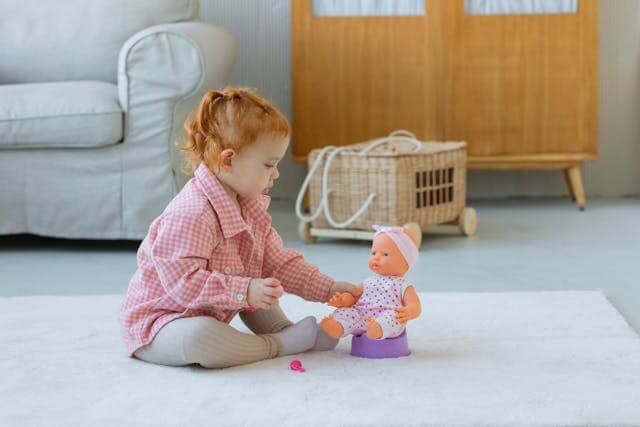
As kindergarten readiness becomes a growing conversation among parents and educators, potty training has emerged as one of the biggest developmental concerns facing families today. Teachers across the country are increasingly reporting that children are entering kindergarten without fully independent toileting skills, with recent surveys suggesting that roughly one in four children begin school not fully toilet-trained. Educators also report spending more classroom time assisting with bathroom-related needs, creating additional challenges for both teachers and students as children adjust to the classroom environment.
The good news? Potty training success is less about hitting a perfect timeline and more about creating consistency, confidence, and positive routines that support children through each stage of the process.
Potty Training Awareness Month is a great reminder that potty training is not a one-size-fits-all journey. Children develop at different rates, and parents often feel overwhelmed by pressure, conflicting advice, or fear of setbacks. But with the right tools, realistic expectations, and encouragement, families can help children become potty-confident well before school begins.
Start with Readiness, Not Pressure
One of the biggest misconceptions about potty training is that it should begin at a specific age. Readiness cues are far more important.
Signs of readiness can include:
- Showing interest in the bathroom or toilet
- Staying dry for longer periods
- Communicating when they need a diaper change
- Hiding during bowel movements
- Wanting more independence
According to the American Academy of Pediatrics, most children show signs of potty-training readiness between 18 months and 3 years of age, though the timing varies for every child. It’s also important to remember that readiness cues are not always obvious. Parents can gently encourage the process while still following their child’s individual pace and signals.
Parents should also keep in mind that potty training is both a physical and emotional milestone. Children tend to respond best when the experience feels positive, exciting, and empowering rather than stressful or forced. Introducing potty-related concepts early on can help normalize the process and build comfort and confidence when the time comes to begin training.
Beginners: Creating Comfort and Familiarity
For children just beginning the potty-training journey, comfort and accessibility matter. A floor potty can help eliminate fear associated with the size and sound of an adult toilet while giving children a sense of ownership over the process.
Products like the Bluey 2-in-1 Floor Potty with Sound are especially helpful for beginners because they combine familiarity, independence, and encouragement in a playful way. Favorite characters can reduce anxiety and make potty time feel more approachable, while interactive features such as sounds or rewards can reinforce positive habits and celebrate small wins.
At this stage, consistency is key. Parents can help establish routines by:
- Offering regular potty breaks
- Celebrating attempts, not just successes
- Reading potty-themed books
- Keeping language positive and pressure-free
- Allowing children to participate in cleanup and handwashing routines
Many families make the mistake of expecting immediate mastery. In reality, accidents are completely normal and an important part of learning. Potty training is a process, not a singular event.
Emerging Independence: Transitioning to the “Big Kid” Toilet
Once children begin recognizing their body’s signals and are using a floor potty more consistently, many are ready for the next transition: learning to use the ‘big potty’.
This stage can feel intimidating for children. Adult toilets are taller, louder, and less secure, which is why transitional products can make a major difference in building confidence.
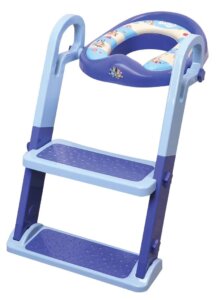
The Bluey Ladder Potty helps bridge the gap between a floor potty and the full-size toilet by giving children a stable, supported way to climb and sit independently. The added sense of security can reduce fear and encourage children to practice more consistently.
Parents can support this transition by:
- Letting children practice climbing on and off independently
- Keeping routines predictable
- Avoiding pressure during setbacks
- Encouraging handwashing and hygiene habits alongside toilet use
This phase is often where confidence begins to grow rapidly. Children start viewing themselves as capable and independent, which is an important emotional component of kindergarten readiness overall.
Becoming a Potty Expert: Confidence and Consistency
As children become more successful with daytime potty use, the final stage is maintaining consistency across environments, at home, during outings, and eventually at school.
A soft potty seat designed for standard toilets can help children continue feeling comfortable while reinforcing proper positioning and independence. The Bluey Soft Potty Seat offers familiarity while helping children confidently use regular bathrooms both at home and on the go.
At this stage, parents should focus on:
- Encouraging independence in wiping and handwashing
- Practicing public restroom visits
- Establishing routines before school starts
- Preparing children for bathroom expectations in kindergarten
One of the most important things parents can do is avoid shame around accidents. Even children who are mostly potty trained may experience regressions during major transitions, illness, travel, or stress.
Potty training success is not about perfection. It is about helping children build trust in their bodies, confidence in their abilities, and routines they can carry into school and beyond.
Kindergarten Readiness Starts with Confidence
Potty training is often viewed as a single milestone, but it is really a gradual process of building independence. By approaching each phase with patience, encouragement, and developmentally appropriate tools, families can reduce stress and help children feel prepared for the next chapter.
Most importantly, parents should remember that every child’s timeline is different. Progress matters more than perfection, and confidence grows one small success at a time.
 ABOUT THE AUTHOR
Allison Jandu (@thepottytrainingconsultant) is a potty training expert, parenting educator, and five-time author dedicated to helping families navigate potty training with confidence and less stress. As the creator behind The Potty Training Consultant, Allison shares practical, realistic strategies that support children through every stage of the potty training journey. Drawing from both professional expertise and personal experience as a mom of two, she is passionate about helping parents create positive, pressure-free routines that build independence and confidence. Allison regularly provides potty training guidance, tips, and resources through her social platforms and consulting work. Learn more at https://www.thepottytrainingconsultant.com.
RELATED ARTICLES
Cover Photo by Polesietoys