Overview: This article explains how to spot early baby sleep cues—such as staring off, slowing movements, turning away, yawning, eye rubbing, and ear tugging—before overtiredness sets in, covering calm wind-down habits, safe sleep basics, watching for open-mouth breathing during sleep, and protecting parental rest.
Your baby has no words for tired yet, but they’re already saying it in other ways. A slow blink, a glance away, or a sudden pause in their kicking can all mean sleep is close. When you catch these quiet signals early, you can help your little one settle before the tears start.
What Are Baby Sleep Cues?
Sleep cues are your baby’s way of showing they’re ready to rest. Long before they babble, newborns communicate through their faces, sounds, and movements. Each small shift carries meaning, even when it feels hard to read at first.
Researchers who trained new parents in responsive care taught them to spot four common behavioral states in babies — fussiness, drowsiness, alertness, and sleep. Drowsiness is the sweet spot. A drowsy baby usually settles more easily than one who has already tipped into fussing.
Early Signs Your Baby Is Getting Sleepy
Young babies spend much of the day asleep. The Centers for Disease Control and Prevention notes that newborns need 14 to 17 hours of sleep a day, while infants from 4 to 12 months need 12 to 16 hours, including naps. That means sleepy signals may show up sooner than you expect.
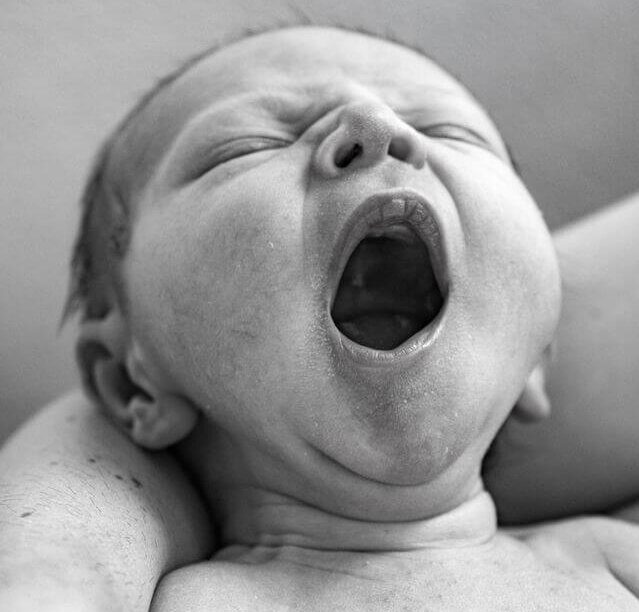
Early cues tend to be quiet. Your baby might stare into the distance, slow their movements, or turn their face away from toys and people. A yawn, a rub of the eyes or a tug on one ear often follows.
Picture a 3-month-old after a feed and a few minutes of play. Their kicks slow, their gaze softens, and they stop reaching for the rattle. That stillness can look like contentment, but it may be the first sign of tiredness and the best time to wind down.
Late Cues and the Overtired Spiral
When early cues slip by, your baby’s signals get louder. Fussing builds, the back arches, fists clench, and crying starts in earnest. An overtired baby often fights the very sleep they need, which can feel confusing when you’re running on little rest yourself.
Say your 6-week-old spends a busy afternoon with grandparents and visiting friends. Every new face holds their attention, so early yawns go unnoticed. By evening, they’re arching, wailing, and turning away from the feed they seemed to want. A dim room, gentle rocking, and fewer voices can help them settle.
Missing a cue happens to every parent. Each one you catch teaches you a little more about your baby’s rhythm.
Turning Cues Into a Calm Wind-Down
Once you spot early drowsiness, a short routine helps your baby link sleepiness with bedtime. Penn State University researchers recommend putting your baby down drowsy but still awake and setting bedtime between 7 and 8 p.m. Your wind-down can be as simple as a fresh diaper, a soft lullaby, and dimmed lights.
In an INSIGHT study, nurses taught first-time mothers to read and respond to their babies’ cues. A 2022 follow-up found that younger siblings slept 42 minutes longer at night than babies in the comparison group, even though their parents received no new training. The skills you build can stay with you.
When you lay your baby down, the American Academy of Pediatrics recommends placing your baby on their back on a firm, flat surface, clear of blankets and toys. That way, a well-timed nap is also safe.
Keep Watching Once Your Baby Drifts Off
Your baby keeps sending signals after their eyes close, and breathing is one of them. A baby who often sleeps with an open mouth may be breathing through it, drying out their mouth and potentially impacting their overall health. The habit can affect tiny teeth and gums, as the reduced saliva gives cavity-causing bacteria more room to grow.
Persistent mouth breathing can also point to something beyond teeth. Researchers call it one of the most common oral habits in children and a symptom of sleep-disordered breathing. If you notice open-mouth breathing most nights, mention it at your next checkup. Your pediatrician or pediatric dentist can help you plan next steps.
Look After Your Own Rest, Too
Reading cues takes energy, and broken sleep drains it fast. Your own rest matters for more than your mood. Further Penn State research notes that sleep-deprived parents are more likely to develop depression.
If you have a partner, you might trade early-evening and late-night shifts. A friend or relative who watches the baby while you nap is giving real help. The rest you get now helps you read your baby’s cues later.
Catch the Yawn Before the Yowl
Your baby’s yawns, stares, and ear tugs are early invitations to rest. Catching them before they start crying makes bedtime gentler for everyone. Some days you’ll spot every signal, and some days you’ll miss a few. Both are part of learning your baby. A short routine, a safe sleep space, and a quick check on breathing can help.
ABOUT THE AUTHOR
Lola Marks is Senior Editor at Body+Mind.
RELATED ARTICLES
- Create Calm & Help Children Sleep Better With Aromatherapy
- Get Your Baby to Sleep in 30 Seconds
- Baby Sleep Progressions
Cover image by Jirí Doćkal