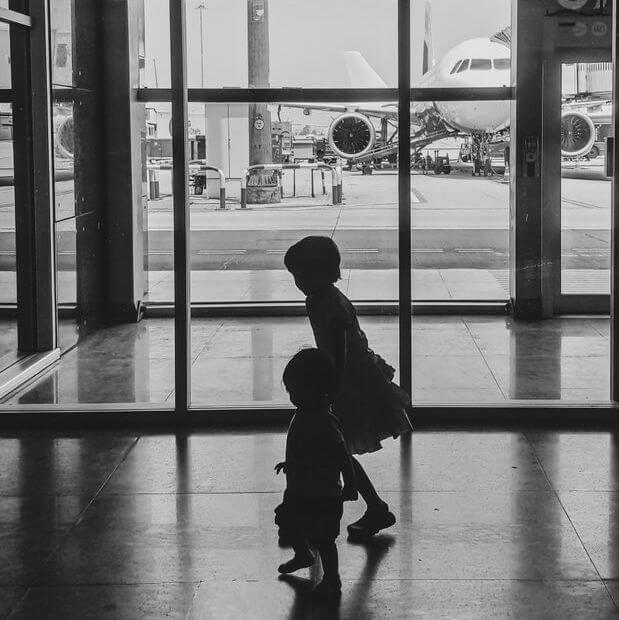
Traveling internationally with your little ones is one of those opportunities in their formative years to create lifelong memories. While the thought of packing can be overwhelming at times, guides like this one are there to help. Consider it a checklist to ensure a smooth and stress-free journey, whether you’re flying, driving, cruising, or taking a train. It covers everything from must-have documents and health items to the best gear and entertainment to keep your children safe and happy on your joint adventure.
1. Essential Documents and Health Items
Before you start dreaming of destinations, let’s talk about the non-negotiables involved. Getting your family’s paperwork in order is the most critical first step of any international trip. Every traveler, including a baby, will need a valid passport. It’s also wise to carry a copy of your child’s birth certificate and, as recommended by the U.S. Department of State, always pack a signed and notarized consent letter from the other parent if you’re traveling solo with your child. Some countries need it for entry and exit.
On the health front, pack all necessary medications for your child in their original containers. Also, for your peace of mind, consider bringing along a basic first-aid kit with child-safe pain reliever, bandages, and antiseptic wipes.
2. Clothing and Comfort
A comfortable child is a happier traveler, so smart packing is your secret weapon. When it comes to clothes, think in layers that you can easily add or remove. T-shirts, long-sleeved tops, a cozy sweater, and a light jacket will prepare you for any temperature, from a chilly airport to a sunny cruiser deck. Always pack more outfits than you think you’ll need.
Beyond clothes, never underestimate the power of familiarity. A favorite stuffed animal or a familiar blanket can work soothing wonders for a young kid in an unfamiliar environment like a hotel room or airplane. This small piece of home provides a certain sense of security and can make settling down for a nap much easier.
3. Food and Snacks
A hungry child can bring smooth travel plans to a screeching halt, so you should always keep their little tummy full. Like clothing, pack more snacks, formula, and baby food than you think you’ll need to counter any unexpected delays. While packing plenty of snacks is essential, be aware of the types of food you pack. Many countries have strict rules about what you can bring across the border.
For example, meats and agricultural items such as fresh fruits and vegetables are commonly prohibited at border crossings to prevent the spread of plant pests and animal diseases. Even commercially packaged goods may be subject to inspection, so it’s wise to research your destination’s regulations and immediately declare all food items upon arrival.
4. Diapering and Hygiene Needs
When traveling with your young child, be prepared for diaper changes and potty breaks. In your carry-on, create a portable changing station with diapers, wipes, diaper cream, and throw-away bags for easy disposal. A valuable item in this kit and your baby budget planning is a waterproof, foldable, contoured changing pad that stops baby-rolling and provides a clean surface for diaper changes anywhere, whether in a public restroom or in a car’s backseat.
If you’re traveling with a potty-training toddler, a foldable travel potty seat can be a lifesaver, making unfamiliar toilets feel more secure. Pack more diapers and wipes than you plan to use to avoid a frantic search upon arrival. Remember, a five-year-old will also need to visit the restroom quite often, so don’t discount emergency plans for your slightly older kids either.
5. Entertainment and Travel Gear
A well-stocked activity bag is your best friend during a long day of traveling. To keep boredom at bay, pack a mix of screen-free items like coloring books and stickers, along with a tablet containing pre-downloaded games and shows. When it comes to gear, choosing age-appropriate equipment for your child is key.
A lightweight stroller or baby carrier is another must when navigating new places. For safety, ensure you have a car seat. When you fly, the FAA strongly recommends using an approved Child Restraint System (CRS) for kids under two. Using a CRS for the duration of a flight reduces the risk of in-flight injury from unexpected turbulence or meal service.
Enjoying Confident Travels With Your Little Ones
Traveling internationally with your kids needn’t be overwhelming. With thoughtful planning and a well-packed bag, you are equipped to handle whatever the journey brings. While the checklist provides a foundation, your best tool is having a flexible mindset. Things may not always go as planned, and that’s okay. Embrace the unexpected moments, prioritize connection over perfection, and focus on the incredible opportunity to see the world through your child’s eyes. These are the adventures that create the most cherished family memories.
 ABOUT THE AUTHOR
Dan Parks is a senior writer at Modded with over six years of experience creating evidence-based content on parenting and lifestyle. His work focuses on family life, child development, and internet safety. As a dedicated father, Dan brings a personal perspective to his writing. He specializes in modern parenting strategies designed to positively impact the youngest generations. Ultimately, his goal is to give new parents helpful information to raise the future.
RELATED ARTICLES
- 10 Tips for Holiday Travel when your Child has Autism or a Disability
- Tips for Summer Travel With Children
Cover image by Vaibhav Sahu