For many new parents, life can feel like a constant juggling act. Between feeding schedules, naps, laundry, toys scattered across the floor, and the endless cycle of daily tasks, maintaining a clean and organized home can easily slip down the priority list. Yet the environment your family lives in plays a powerful role in shaping how everyone feels, sleeps, and connects with one another.
What if spring cleaning wasn’t just about tidying up—but about creating a home that actively supports calm, focus, joy, and healthy development for your child?
This is where Feng Shui can help.
Feng Shui is an ancient Asian system that focuses on improving the flow of energy—known as Chi—within a space. In Feng Shui, your home is not just a place where life happens; it is an energetic environment that influences your well-being, relationships, and daily experiences. Everything you keep in your home, from the furniture arrangement to the toys in your child’s room, subtly shapes the energy of the space.
When used intentionally, Feng Shui can turn your home into a nurturing environment that supports both parents and children. With a few simple changes—decluttering, thoughtful placement of furniture, and calming colors—you can create rooms that encourage better sleep, peaceful playtime, and a sense of balance for the entire family.
Start with Space Clearing
 One of the most powerful Feng Shui practices for spring cleaning is space clearing.
Space clearing is the mindful process of sorting through belongings and removing items that are no longer needed. According to Feng Shui, energy must be able to flow freely through a home to support health, happiness, and harmony. When clutter builds up, it blocks this energy flow, which can contribute to feelings of stress, overwhelm, and even restless sleep.
For parents with young children, this practice can be especially valuable. Babies and toddlers are highly sensitive to their environment, and a clear, organized space can help them feel calmer and more secure.
The key is to approach decluttering in manageable steps. Rather than trying to clean the entire house in one day, choose one small area at a time. This might be a closet, a toy bin, a dresser drawer, or a changing table.
If you’re unsure whether to keep something, ask yourself a simple question: Will we realistically use this within the next six months? If the answer is no, it may be time to let it go.
Once you’ve finished sorting, wipe down surfaces, open the windows for fresh air, and place the items you’ve chosen to keep back in an organized way. Even completing one small area can create a noticeable shift in the feeling of your home.
Creating a Calm Nursery or Toddler Room
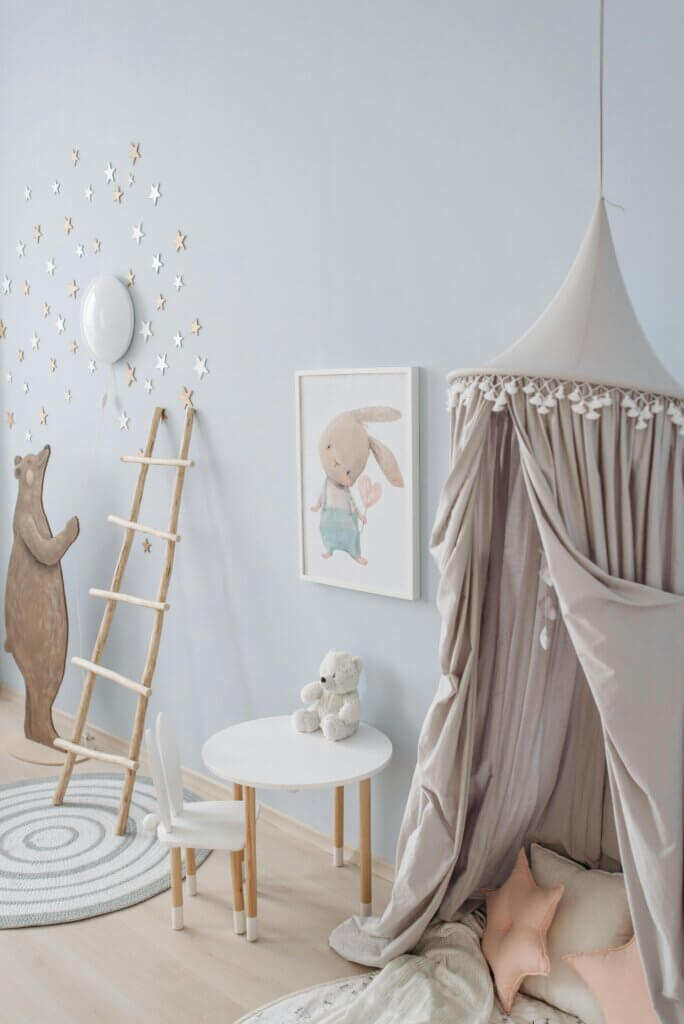
 Your child’s bedroom or nursery is one of the most important spaces in the home when it comes to Feng Shui. This room influences sleep quality, emotional balance, and overall development.
One of the most important considerations is the placement of the crib or bed.
Ideally, position it against a solid wall to provide a feeling of support and security. Avoid placing the crib directly under a window if possible. If the room layout makes this unavoidable, installing thick curtains can help create a sense of protection and reduce excess light.
It is also helpful if your child’s bed is positioned so that they can see the door, but it should not be directly aligned with the doorway. This placement helps create a feeling of safety and awareness within the room.
If the crib or bed happens to be beneath a ceiling beam, Feng Shui considers this a “pressure point” that may affect restful sleep. Hanging a soft canopy above the bed can visually soften the structure and help create a more peaceful sleeping environment.
Choose Gentle Colors
When decorating a nursery or toddler room, it can be tempting to use bright, bold colors and highly stimulating décor. While these can be fun visually, too many intense colors—such as bright reds or neon tones—can overstimulate a young child’s senses.
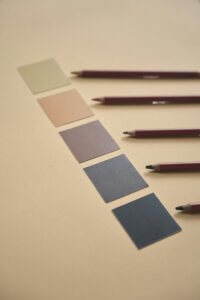
Instead, choose soft, calming colors that encourage relaxation and restful sleep. Shades such as warm beige, soft gold, pale pink, or gentle greens are ideal for creating a soothing atmosphere.
These colors also reflect light beautifully, making the room feel warm and welcoming.
Keep Toys Organized
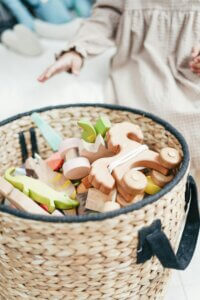 Young children naturally accumulate toys, books, and creative materials. While these items support play and development, too much visual clutter can overwhelm both children and parents.
Using simple storage solutions—such as baskets, bins, or labeled boxes—helps keep toys organized and easy to access. This allows children to enjoy playtime while also learning the habit of putting things away afterward.
A well-organized room helps energy flow more smoothly and can improve both focus during play and relaxation during bedtime.
Choose Positive Imagery
The images and decorations in a child’s room subtly influence their emotional environment.
Gentle, nurturing imagery—such as flowers, nature scenes (no water), or family-focused artwork—creates a sense of safety and warmth. Positive words or affirmations can also be incorporated into décor.
Simple messages like “You are loved” or “This home is full of joy” can help reinforce a positive atmosphere.
A Nurturing Home Environment
Spring cleaning can sometimes feel like just another task in an already full schedule. But when approached through the lens of Feng Shui, it becomes something more meaningful: an opportunity to create a home that truly supports your family’s well-being.
By clearing clutter, organizing thoughtfully, and designing spaces that encourage calm and connection, parents can create an environment where children feel secure, rested, and inspired to explore.
With just a few simple adjustments, your home can become a nurturing space where both you and your child can thrive.
ABOUT THE AUTHOR
Marie Diamond is the world’s leading Western Feng Shui Master and a globally recognized expert in manifestation and energy alignment. With more than three decades of experience, she has helped millions of people transform their homes and lives by aligning their environments with their goals and intentions. After a near-death experience as a teenager, she made it her mission to help others unlock their full potential by shifting the energy of their surroundings. Marie has taught more than 10 million students across 30+ countries and is one of Mindvalley’s top teachers, reaching global audiences through documentaries viewed by more than 700 million people. She is the author of Your Home Is a Vision Board (Hay House), in which she shares practical Feng Shui strategies to help people create spaces that support clarity, success, and manifestation.
Photo Source: pexels