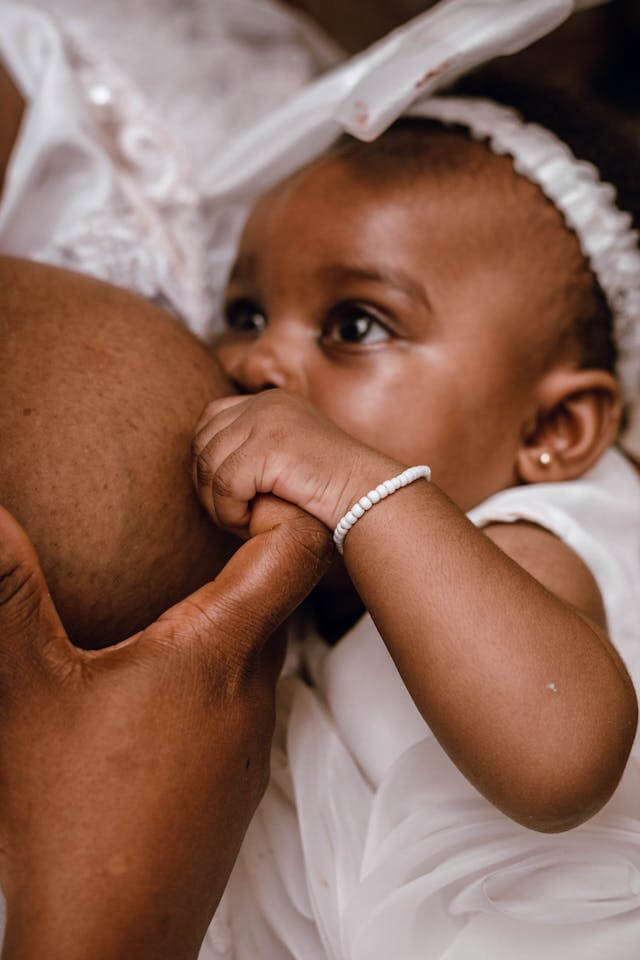
Breastfeeding is often described as natural, but that doesn’t mean it’s always easy at first. If you’re a new parent, finding a position that supports both comfortable latching and your own physical comfort can make all the difference. The good news is that minor adjustments in positioning can improve milk transfer, reduce soreness, and even ease common postpartum back strain.
-
Cradle Hold
The cradle hold is the position most people picture when they think of breastfeeding. You’ll sit upright and cradle your baby’s head in the crook of your arm on the same side as the breast you’re using. Your baby’s body should be turned fully toward you, tummy to tummy, rather than facing upward.
This position often works best once your baby has already learned how to latch effectively. Because your supporting arm is also holding the baby’s head, the position offers less control when guiding a newborn’s latch in the early days.
To stay comfortable, rest your forearm on a pillow and keep your shoulders relaxed. If you find yourself leaning forward, pause and adjust. Scoot your baby closer instead of bending toward them. Supporting your lower back with a cushion can also reduce strain during longer feeds.
-
Cross-Cradle Hold
The cross-cradle is often recommended for newborns because it gives you more control over your baby’s head and helps guide a deeper latch. In this position, you’ll support your baby with the arm opposite the breast you’re offering. For example, if feeding from your right breast, you’ll hold your baby with your left arm, supporting their neck and shoulders with your hand.
This added control can be invaluable if your baby is small, premature, or still learning to latch effectively. It allows you to gently guide their head and ensure their mouth opens wide before attaching.
Because this position can strain your wrists and forearms, use pillows to raise your baby to breast height. Keep your elbows supported and your back upright. Switching sides evenly also helps prevent one-sided muscle tension over time.
-
Football Hold
In the football hold, you’ll cradle your baby under your arm on the same side as the breast you’re using, with their legs toward your back. Use your hand to support their head while their body rests along your forearm.
This position can be especially helpful after a C-section because it keeps extra pressure off your abdomen. It’s also useful if you have larger breasts, flat nipples, or twins, as it provides clear visibility of your baby’s latch.
To stay comfortable, place a firm pillow or breastfeeding cushion at your side to lift your baby to the correct height. Sit upright and avoid hunching over to see what’s happening. This goal is steady support and a neutral spine rather than straining forward.
-
Side-Lying
The side-lying position is perfect for feeding at night or moments when you’re too tired to sit upright. To do this, lie on your side with your baby facing you, tummy to tummy. Their nose should be roughly level with your nipple, and their head supported gently by your arm or a small pillow.
This position is especially helpful during the early postpartum weeks, allowing you to rest while feeding and promoting recovery after birth. Make sure your baby has a safe sleep environment, always keep blankets and pillows away from their face, and never fall asleep on a surface that isn’t safe for an infant. A pillow behind your back can help keep you aligned and prevent lower back strain, while a rolled towel under the baby can offer additional support for a stable latch.
-
Laid-Back
The laid-back position, or biological nurturing hold, has you reclining slightly in a comfortable chair or bed while your baby lies on your chest. Gravity helps guide your baby to the breast, allowing them to use natural reflexes to latch.
This position can be invaluable for parents with a strong letdown reflex, overactive flow, or babies who prefer skin-to-skin closeness. Reclining also reduces hunching, which protects your spine and shoulders during long feeds.
To stay comfortable, place pillows behind your back and under your arms, letting your baby nestle against you. This position not only encourages a deep latch but also promotes bonding through touch and eye contact.
Why Positioning Matters for Latching and Comfort
When you position your baby well, you’re doing more than making feeding easier. You’re also setting the stage for effective milk transfer and preventing unnecessary pain. Your comfort matters just as much as your baby’s. Feeding can take several hours a day in the early weeks, and posture plays a huge role. Research shows that up to 80% of adults experience back pain at some point in their lives, which makes supportive positioning especially important during frequent feeds.
Sitting upright with your shoulders relaxed, feet supported, and pillows under your arms can help protect your spine. Think “bring baby to breast,” rather than “lean toward baby.” Small shifts like these can prevent discomfort later on.
The Comfort Zone
Finding the proper breastfeeding position is about supporting both you and your baby for successful, comfortable feeding. Experiment, trust your instincts, and remember that minor adjustments can make a big difference. When both of you are relaxed and supported, each feed becomes a moment of connection rather than strain.
ABOUT THE AUTHOR
Mia Barnes is Editor-in-Chief at body + mind.
RELATED ARTICLES
- 6 Breastfeeding Positions for Optimal Comfort and Latching
- Breastfeeding Facts You Might Not Know
- Tongue Ties in Newborns — What Parents Need to Know
- Combination Feeding Breast Milk and Formula Safely
- Selecting Over-the-Counter Drugs as a Breastfeeding Mother:5 Tips from a Pharmacist
RELATED PODCASTS
Cover image by Gustavo Fring