ABOUT PREFERENCES
Everyone has things they really enjoy doing, and things they’d rather avoid. (Tasks, commitments, some conversations, and so on.) Looking at the big picture, varied preferences make the world go round. What if we all focused on—or avoided—the same activities, such as reading, painting, dancing, playing soccer, or whatever? It would pose endless logistical problems, as well as make for a very dull world.
Children have preferences. For example, a baby may prefer to play with a toy giraffe instead of colorful blocks, or enjoy eating mashed bananas rather than barley cereal. A toddler might want to read a specific book over and over, or carry a favorite stuffed animal all day long. As kids get older, they confront increasing complexities, and there are more influences, choices, and decisions to make. Moreover, the consequences of their decision-making can become tangled, involving schooling, social relationships, personal values, and other aspects of daily life.
Remember, circumstances and preferences inevitably change over time.
PARENTS’ ROLES AND RESPONSIBILITIES
Parents often set the standard for what young children should or should not like, do, say, wear, eat, and so on. These standards may be perceived by a child as being reasonable, or possibly geared too high or too low. Matters may have to do with big issues (like health, education, or respect for others), or little ones (like what outfit to wear, or how to straighten the bed). Children also set standards for themselves that are often based on personal (and sometimes inexplicable) preferences.
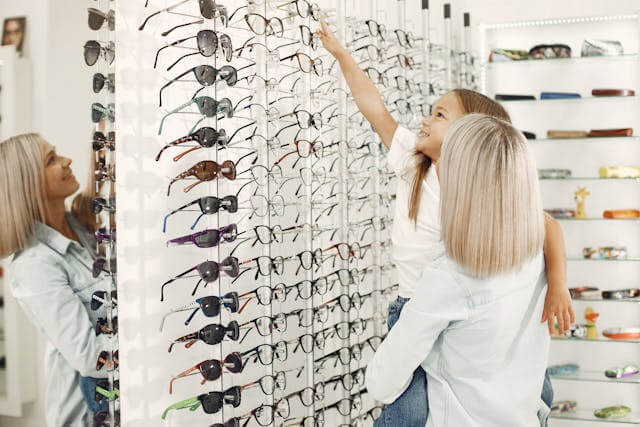
Although we all think and behave in different ways, enjoying some things and steering clear of others, there may be important considerations. Wanting ice cream instead of broccoli, for example, is not a serious matter; however, decisions about proper eyeglasses, applying sunscreen, or helmet use while riding a bike are critical. Parents can explain why certain decisions are not preferences but rather are requirements that leave little room for negotiation, especially when they pertain to a child’s health or welfare, as is the case with eye or skin care, or head protection.
Give children leeway for their preferences, while keeping safety in mind.
SUGGESTIONS FOR PARENTS
Some children like stories about trucks, whereas others prefer hearing about jungle animals. Many kids love playing board games, but others would rather make forts out of furniture and cushions. (And then perhaps play the games inside the fort!) It’s possible to help kids build preferences and cultivate interest and values—for example, through intrigue, fun, and guidance, and by encouraging their effort and creativity.
We cannot know exactly what’s going on in someone else’s mind when they indicate a preference about what to do (or not do). One person’s pleasure or preference is another’s pain (or annoyance, or fear, or obsession, or cause for delay).
Support children as they ask questions, make choices, and convey preferences.
Here are five practical tips for families:
- Facilitate discussion about alternatives. Leave room for flexibility.
- Respect children’s assertions. If need be, guide them in understanding the viability of their preferences.
- Encourage children to honor their curiosity. And, to broaden their interests and perspectives. They may not know what else they might enjoy or prefer if they haven’t been exposed to a full slate of appropriate experiences.
- Help kids seize opportunities. If they do, they may find new preferences and pleasurable possibilities.
- Be patient. Remember that exercising independence, experimenting, and learning from trial and error takes time, as children work toward developing new ideas and capacities—as well as preferences!
AUTHOR’S NOTE: I discuss preferences in my book, Not Now Maybe Later: Helping Children Overcome Procrastination (pp. 108 and 109). For those interested in a topic that aligns with preferences, see my article Children and Choice.
ABOUT THE AUTHOR
Dr. Joanne Foster is an award-winning author of several books, including IGNITE YOUR IDEAS: CREATIVITY FOR KIDS, 2025 Bronze Medalist, Moonbeam Children’s Book Award (Nonfiction, Chapter Book), and 2025 Winner, American Book Fest’s Best Book Award (Children’s Nonfiction). For resources on learning, creativity, motivation, children’s well-being, and more—and to subscribe to her newsletter—go to https://joannefoster.ca
RELATED ARTICLES
Cover image by Gustavo Fring