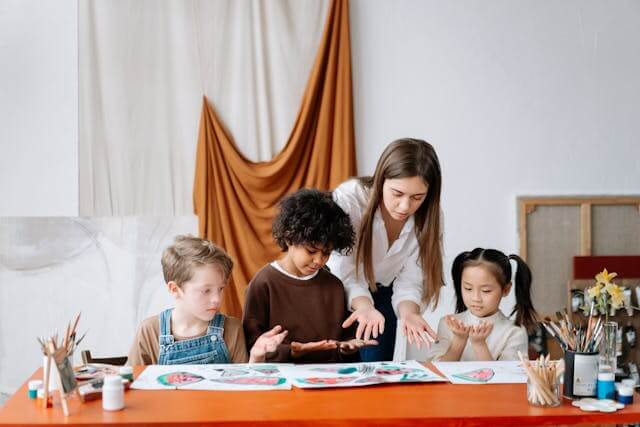
Parents are often the gatekeepers of kids’ hobbies—because you control time, rides, money, and the emotional temperature in the house. The tricky part is that a hobby can turn into a power struggle fast: kids resist, parents push, and suddenly “try soccer” becomes a weekly negotiation. What works better is treating hobbies like a buffet, not a lifelong contract. Your job isn’t to pick your child’s identity. It’s to create chances for discovery, keep expectations reasonable, and help them notice what feels good to do.
If you only skim one section
- Aim for experiments, not commitments.
- Look for a mix of movement, making, and belonging.
- Keep at least one activity low-stakes and kid-led (no grades, no rankings).
- Celebrate effort and curiosity more than “talent.”
- Protect downtime—play and unstructured time matter, too.
Why hobbies matter more than a “packed schedule”
Hobbies are a low-risk way for kids to practice being a beginner. That sounds small, but it’s huge: trying, failing, adjusting, and trying again is basically a life skill in disguise. Play and enjoyable activities also support cognitive, physical, social, and emotional well-being, and they give parents a natural way to connect with their kids.
Structured activities can help too. Research summaries and reviews commonly report links between extracurricular participation and positive outcomes like social development and academic engagement—especially when the experience is supportive and not overly intense.
A quick menu of hobby types (and what they tend to build)
| Hobby “family” | Examples | Typical benefits for kids |
| Movement & body skills | swimming, dance, climbing, martial arts | fitness, confidence, mood support, energy regulation |
| Making & tinkering | cooking, crafts, building kits, gardening | patience, problem-solving, pride in progress |
| Music & performance | choir, theater, instrument lessons | self-expression, memory, teamwork, stage confidence |
| Words & curiosity | reading clubs, writing, museums, puzzles | attention, imagination, language skills |
| Community & service | volunteering, student groups, clubs | empathy, belonging, responsibility |
Making room without burning out
If you’re juggling deadlines, shift work, or family logistics, supporting hobbies can feel like one more spinning plate. The goal isn’t to do everything—it’s to protect a small, repeatable rhythm: rides, a quick check-in, a few minutes watching them do the thing. This article on making priorities clearer during hectic stretches can help you carve out time to support your child’s hobbies without treating parenting like a second job. And no matter how busy life gets, block out a specific weekly slot on your calendar to show up for your child’s needs—because consistency beats intensity.
How to encourage exploration without turning it into a job
- Start with a “two-week tryout.” Pick something with a clear endpoint. Two classes. Two Saturdays. Then re-evaluate.
- Offer two options, not twenty. Too many choices can freeze kids. Curate a small set and let them pick.
- Match the hobby to the kid’s mood. Some kids crave noise and teams; others want quiet mastery. Neither is “better.”
- Lower the entry cost. Borrow supplies, rent equipment, look for free community days, ask about scholarships.
- Use “process praise.” Notice practice, courage, kindness, improvement—things they control.
- Keep one lane unstructured. Free play and downtime aren’t wasted time; they support development and family connection.
- Hold the line gently. If you agreed to a short tryout, finish the tryout—then let them decide what’s next.
When a hobby isn’t “clicking”
Not every activity is a fit, and that’s okay. Look for patterns:
- Is it the activity—or the environment? (Too competitive, too loud, too rigid.)
- Is the schedule the real problem? (Too late, too frequent, too far.)
- Is your child anxious about being new? (They may need a buddy, a beginner group, or a smaller class.)
Sometimes the best move is a “side door” version: if soccer is miserable, try a casual skills clinic; if art class feels intimidating, try a low-pressure craft night at home.
A smart resource when you need fresh ideas
When you’re running out of hobby prompts (and your kid is stuck in the “nothing sounds fun” loop), Harvard Graduate School of Education’s piece on play includes practical, research-informed ideas for getting kids into activities that build self-regulation and a sense of belonging.
FAQ
What if my child quits everything?
Treat quitting as information. Ask what they liked, what they didn’t, and what they’d change next time. Then shrink the commitment (shorter sessions, fewer weeks, different setting) and try again.
How many hobbies should a kid have?
Enough to feel engaged, not so many that home becomes a transit station. Many families do best with one structured activity plus plenty of unstructured time.
What if my kid only wants screens?
Start by adding, not banning: one small offline option that feels easy (music, drawing while listening to a podcast, a short walk, a simple cooking task). Build momentum.
Do hobbies help school performance?
They can, especially through habits like attendance, practice, and social connection. Research summaries often link extracurricular participation with positive academic and personal development, though results vary by context and support.
Conclusion
Helping kids explore hobbies is less about “finding a prodigy” and more about building a life that includes curiosity, movement, and belonging. Keep experiments short, costs low, and expectations human. Pay attention to what lights your child up—and what drains them. Over time, those small clues add up to confidence they can carry anywhere.
ABOUT THE AUTHOR
RELATED ARTICLES
Cover image by cottonbro studio