These Five Foods Go Bad Faster Than You Think, and They’re Probably in Your Child’s Lunch
Parents want the best for their children, including what goes onto their plates. While preparing lunches can be a joyful experience, many may not realize that certain foods can spoil much faster outside the fridge, especially in a packed lunch. Explore which foods tend to spoil quickly, what options should be limited in lunches, and some ways to prepare meals a little more safely.
Which Foods Go Bad the Fastest?
The following five foods are popular lunch picks that may lead to unintended consequences.
-
Deli Meats and Precooked Meats
While convenient and easy to prep, cold cuts and cured meats — including ham, salami, and roast beef — are at high risk of spoilage. Food from deli counters can be contaminated with Listeria, which can cause bacterial infections. This usually happens because deli meats have high moisture and protein content, which favors bacterial growth.
If using deli meat, choose low-sodium, nitrate-free options and ensure it’s packed between two cold sources. Always cut meat into small, bite-sized pieces. Shredding is even safer for younger toddlers. For children with developed chewing skills, opt for shelf-stable alternatives, such as fully cooked and sealed meat sticks.
-
Yogurt
Yogurt is an easy ingredient to play with. You can use it for parfaits and smoothies. However, like milk, it spoils relatively quickly at room temperature. Leaving it unrefrigerated for too long allows harmful bacteria to grow. It should not be left out for more than two hours to ensure freshness. It should be discarded immediately if it develops a rancid or sour smell, a curdled or watery texture, or mold growth.
Consider freezing yogurt tubes or pouches. They will thaw to a safe, cold temperature by lunchtime. Make sure to take the yogurt directly from the refrigerator in the morning or afternoon before feeding it to your little one.
-
Hard-Boiled Eggs
Eggs are a rich source of protein, an essential nutrient for proper growth and development. Remember that a peeled, hard-boiled egg is a perishable food that must be refrigerated to remain safe to eat.
Start with the freshest eggs possible by using a method like the “sink test” before cooking. Fill a bowl with water and submerge the egg. If it sinks, you can feel confident it’s safe to eat, but if it floats, it’s best to throw it away out of caution. If the egg sinks but stands upright, it may not be at its freshest, but it’s generally still fine to use.
-
Cut or Peeled Fruits and Vegetables
Fruits and vegetables are fun for toddlers to eat, especially when sliced and chopped. However, they pose a higher risk of foodborne illness because the protective skin has been removed. Exposure of flesh and moisture could accelerate bacterial growth. Therefore, it’s essential to have them prepared well before putting them on your child’s plate.
Choose whole fruits with their own natural “packaging,” such as plums, clementines, and bananas. When slicing avocados or apples, toss them in a small amount of citrus juice to help prevent browning and preserve their freshness longer.
-
Leftover Rice and Pasta
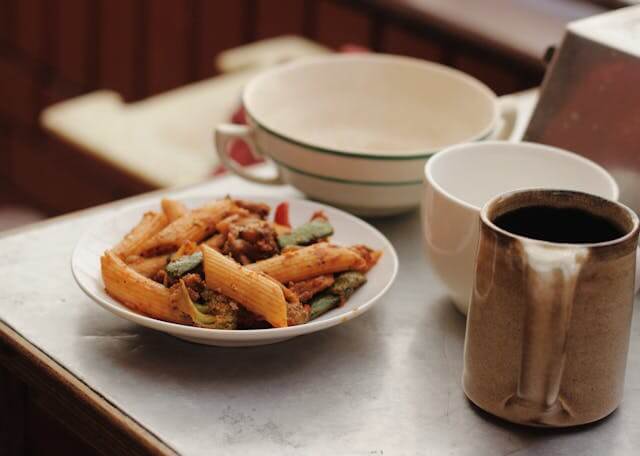
Cooked starches like rice and pasta have a quick shelf life if not properly stored. Reheating rice can actually make you and your child sick. A bacterium called Bacillus cereus can grow and produce toxins that may not be destroyed by reheating. You can quickly identify whether rice or pasta has spoiled by its slimy texture or sour, unpleasant odor.
Instead of risky leftovers, feed your child dry, shelf-stable carbohydrates like whole-grain crackers, toasted oat cereal, and pretzels. If you must pack leftover pasta, ensure it is cooled in the refrigerator shortly after cooking.
What 5 Foods Should Children Not Eat?
Children don’t have to eat perfectly all the time. It’s all about making smarter choices to ensure your child grows happy and healthy. Here are some foods you must avoid or limit giving to your little one.
- Sugary foods and drinks: According to pediatric endocrinologist Dr. Robert Lustig, sugar can affect a child’s behavior and cognition.
- Salty foods: Canned foods, processed meats, and some frozen dinners may be high in sodium.
- Unpasteurized food and drinks: Consuming unpasteurized food or drink can cause a foodborne illness, which may lead to hospitalization.
- Deep-fried foods: Fried foods are high in calories and trans fats, which may cause stomach problems and increase the risk of obesity.
- Microwave popcorn: Popcorn bags contain PFAS — artificial chemicals that are linked to health problems, such as an increased risk of asthma and thyroid disease.
How to Prepare a Safer Lunch for Your Little One
With the right tools and habits, you can confidently prepare a safe lunch for your kid. Here are some tips to ensure every meal is healthy and delicious.
Control the Temperature
Foodborne illnesses usually come from food left in the so-called “temperature danger zone” — between 40° Fahrenheit and 140° Fahrenheit — where bacteria can multiply quickly. If food will be eaten later outside or at daycare, pack perishable items in an insulated container between two cold sources, like a solid ice pack and a frozen juice box.
Practice Safe Storage
Proper food storage is the first step toward preventing cross-contamination and spoilage before a meal is even prepared. Store ready-to-eat foods, such as fruits and yogurt, on a shelf above raw meat in your refrigerator. Use airtight containers to keep food fresh and prevent the spread of germs. Get in the habit of labeling and dating leftovers so you can eat them when they’re at their freshest.
Store Food Properly
A lot of food and money can be wasted when you don’t put things in the right place in the fridge. Here’s a quick guideline for proper food storage:
- Top shelf: Cooked meals, dairy products, jams, and preserves
- Middle shelf: Hard and soft cheese, cold cuts, tofu, and eggs
- Bottom shelf: Raw meat and seafood
- Fridge door: Condiments like mayonnaise, ketchup, and mustard
- Freezer compartment: Meat, some veggies and fruits, seafood, ready-made meals, ice cream, and frozen desserts
Be Mindful of Choking Hazards
Food size and shape are just as important as temperature. Be mindful of choking hazards, such as roasted chickpeas, fava beans, hard vegetables, hard candy, and popcorn. Cut grapes, blueberries, and baby tomatoes into bite-sized pieces. Dice all meats and cheeses into small pieces. Try not to overload your toddler’s lunch with difficult-to-handle foods, like loaded sandwiches.
Use a Container With Compartments
Using a bento-style container can help with portion control and keep different food items separate, fresh, and appealing. This is a good choice if you need to pack lunch for a trip, picnic, or daycare. Use the compartments to prevent crackers and other dry items from becoming soggy.
Be a Savvy Label-Reader
Understanding the nutritional information can give you a clearer picture of what your child is eating. If it feels overwhelming, you might start by focusing on the ingredients list and the sugar content.
Since ingredients are listed by weight, paying attention to the first few can offer the most insight into what makes up the most of the product. Try to choose products with minimal to zero added sugars. With a little practice, it becomes easier to look past the flashy marketing claims.
Make Your Child’s Lunch Safer and Healthier
Knowing which foods spoil the fastest and which you must limit can give you more control over what to put on your child’s plate. With a little extra care and knowledge, you can help make each meal safe and healthy. Try new lunch ideas and have fun experimenting in the kitchen.
ABOUT THE AUTHOR
Beth Rush is Managing Editor at Body+Mind
RELATED ARTICLES
- 5 Essential Foods for Healthy, Child-friendly Meals
- Prevent Food Allergies in Babies
- Annabel Karmel’s Tips For Your Fussy Eater
RELATED PODCASTS
Cover Photo by Ravi Sharma